
There is only one scenario where it would be too late for you to schedule air conditioning maintenance and that is if the air conditioner has completely broken down, to the point that it is beyond repair.
Maybe your 15+-year-old system had a compressor failure. Or maybe you let a refrigerant leak go on too long and the system has died as a result.
Chances are, this actually isn’t the case for you. But if you skip maintenance consecutively each year, this could be your story. And consecutively is the magic word, here. Consistency with maintenance is much more important than the time of year you actually have maintenance done. Yes, we do generally recommend this service in the spring, before temperatures rise and you actually need the system on an hourly basis. This lets you get your tune-up on our schedule right away and lowers your risk of facing AC trouble when you need your system the most.
However, if you at the very least commit to getting air conditioner maintenance done once a year, it’s never too late. Here’s why this is so important:


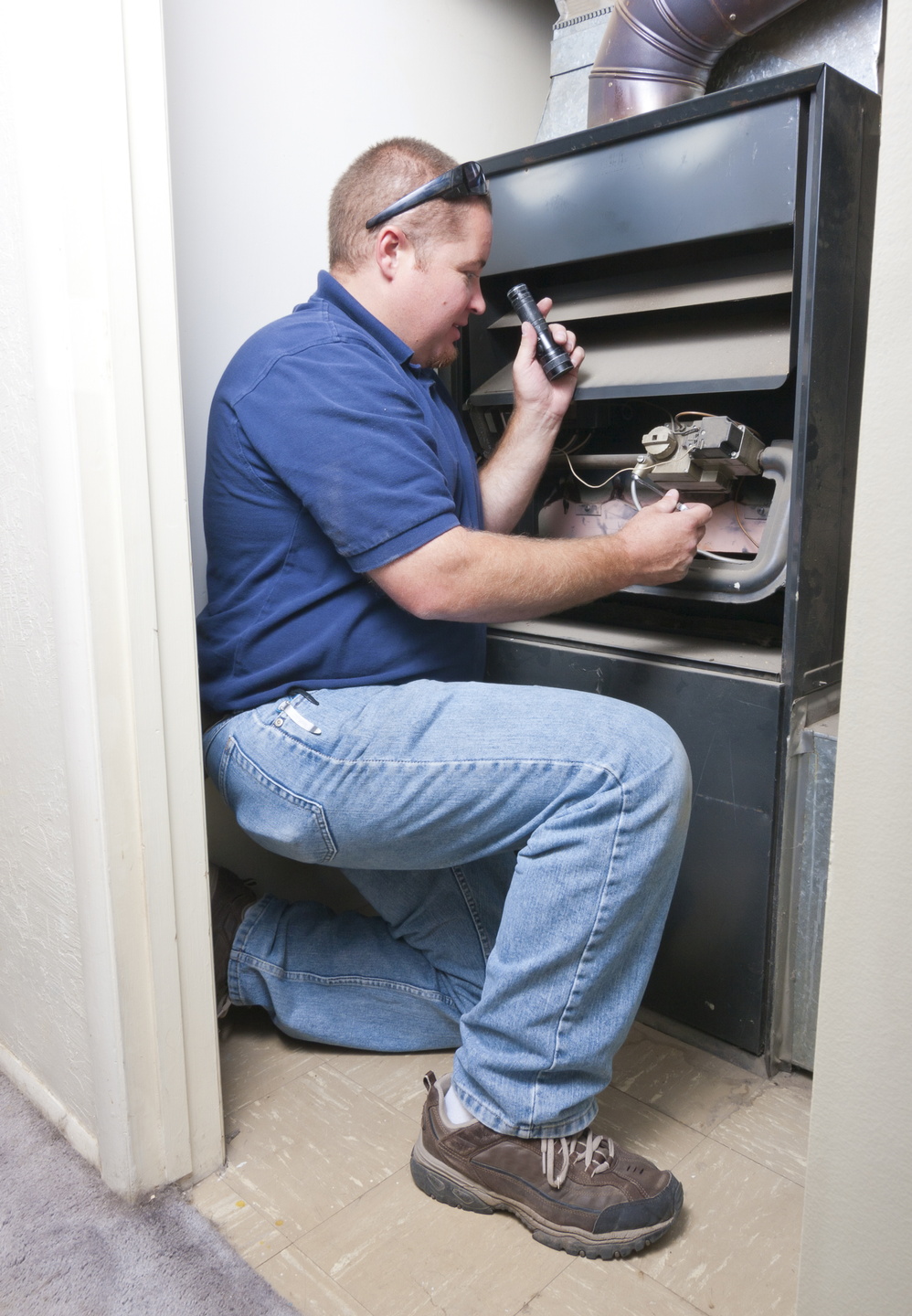
There are a number of different problems that can afflict your air conditioner as the years go by. This is especially true if you don’t keep up on your annual maintenance appointments—or biannual if you have a heat pump system. Given how hard and how long your air conditioner has to work, you could find yourself facing issues such as a refrigerant leak, failed capacitors, and damaged ductwork. Fortunately, most of these repairs are relatively simple fixes for our HVAC professionals.
Let’s say it’s a hot summer day, and you’ve just come back inside after a hours spent enjoying the outdoors. You’re probably looking forward to relaxing, with your air conditioner bringing in powerful chilled air and keeping you and your family cool.
Oftentimes when we get calls for HVAC repairs, the homeowners’ complaint isn’t specific, only that their indoor air quality seems “off.” It may be that the air feels too dry or every time they run their air conditioner, their allergies kick up. While your air conditioner might be partly to blame, what you really want to look at is what type of indoor air quality system you may want to have installed to truly address the problem.
When you have a clog in a sink within your home, your first instinct is very likely to reach for a plunger… or that bottle of store-bought drain cleaning solution you keep on hand.
The electrical panel of your home, also known as the circuit breaker panel, is tasked with keeping your household’s entire electrical system running as safely and smoothly as possible. Chances are, you don’t think about your electrical panel that much, unless you have a serious electrical problem like a blackout or electrical fire—we sincerely hope this isn’t the case for you.