Dalton Plumbing, Heating, Cooling, Electric and Fireplaces, Inc. Blog: Archive for the ‘Heating’ Category

Safety Tips to Consider with Your Electric Furnace Installation

Monday, October 11th, 2021
checklist-with-red-marker

For many homeowners, the decision to purchase an electric furnace over a gas-powered system comes down to safety. It’s not that gas furnaces are inherently unsafe. However, there’s always going to be a slight risk when gas lines are involved, at least if that gas furnace isn’t very well maintained over the years.

Still, though, let’s address this assumption that electric furnaces are safer. It’s true, they do not post any threat of toxic gas leaks the way a natural gas furnace may. However, electric furnaces are large, powerful, pieces of electrical equipment and have the potential to create problems. Fortunately, problems with electric furnaces are relatively easy to avoid! Read on to learn how.

Continue Reading

Why It’s Never Too Early to Think about Your Heating System

Monday, September 13th, 2021
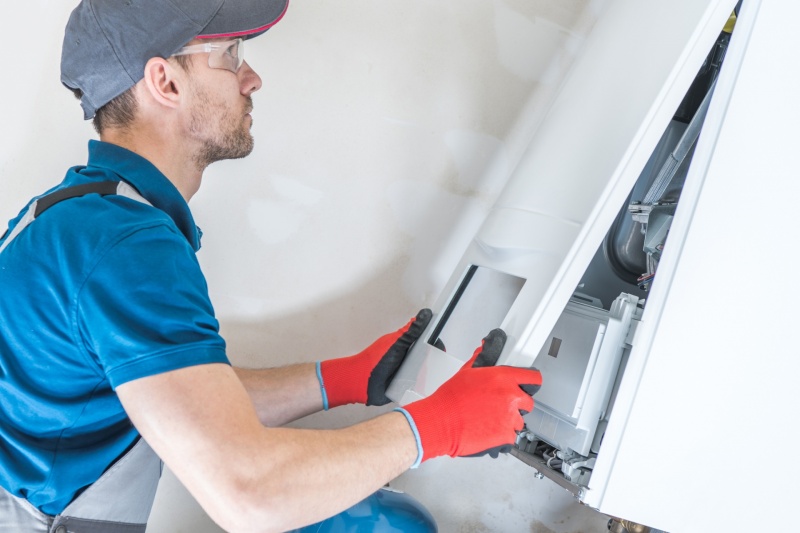
technician-working-on-furnace

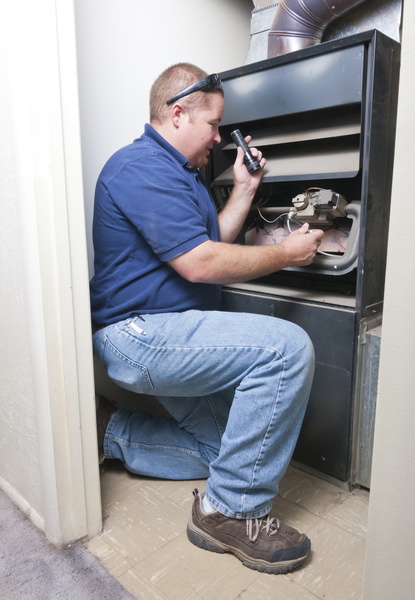
While temperatures have been on the warmer side lately, there’s no denying that the official end of summer is right around the corner. And in our part of the country, fall and winter mean cooler temperatures! You’re probably looking forward to it after the summer we had–but you won’t be singing praises that long if you have a broken down heating system.

That’s why it’s important to schedule heating maintenance for your system as early as possible. Actually, the timing of your heating maintenance doesn’t matter as much as frequency–you should have this service professionally done once a year–but having maintenance done before you need your heating system the most is the best way to set it up for success and have a peace of mind that you can stay comfortable throughout the rest of the year and into 2022. Read on to learn about the great benefits of routine, professional heating maintenance.

Continue Reading

Is an Electric Ignition Better in a Furnace Than a Pilot Light?

Monday, March 15th, 2021
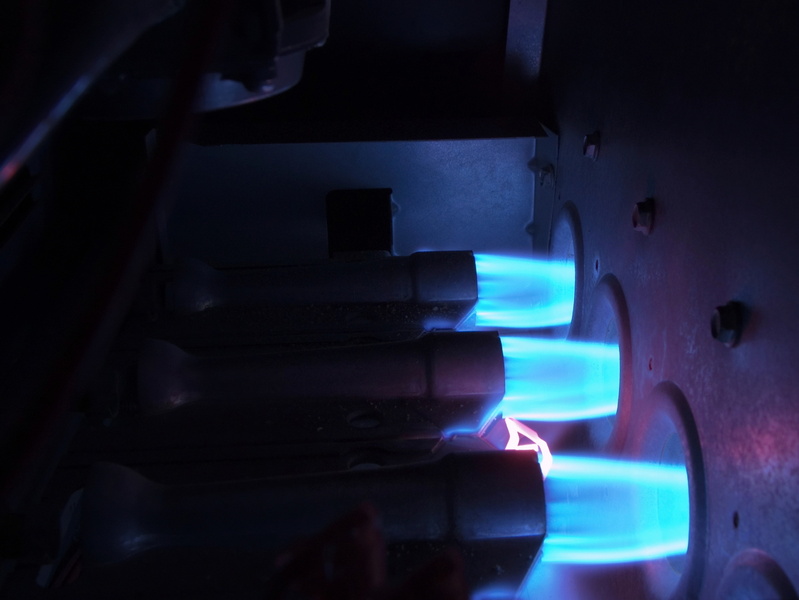
Blue flames burning inside a gas furnace during operation after furnace installation.

This is a question you might not have ever asked yourself. Perhaps you weren’t even aware this was an option. However, if you have an aging gas furnace, it’s something for you to consider as you explore your options for replacement.

Note, that we are not talking about an electric furnace. While there are certainly benefits to having an electric furnace installed, and we’re happy to answer any questions you might have about such installation, what we are discussing here is an electric ignition system within your gas furnace.

What ignition option should you choose when planning furnace installation?

For a new furnace installation, an electronic ignition system is a more efficient and cost-effective choice than a standing pilot light. It only activates when needed, reducing gas waste and improving energy efficiency. Electronic ignitions also enhance safety and help modern furnaces reach higher AFUE ratings.

Continue Reading

Will Your Heater Make It Through the Rest of Winter?

Monday, February 15th, 2021

woman-in-parka-huddled-on-couch-drinking-of-of-mugWintertime temps are still here for a while—in fact if you believe in Groundhog Day predictions, it’s here for about four more weeks, at least! This means your heating system has some time before you shut if off for the season. So if you have repair needs, you should definitely take care of them sooner rather than later.

We understand how tempting it is to put off end-of-season heating repair needs. After all, can’t you just wait until you need the system again next fall?

You could, but if it’s a problem also impacting your air conditioner, you’ll find yourself in trouble later this spring. And if it’s a big enough problem, you might have a completely broken down heater by the time you go to turn it on next fall.

But how do you know you even have heater repair needs? Read on as we uncover some of the most common warning signs, and if you discover any of them, give us a call.

Continue Reading

Does My Heat Pump Have a Refrigerant Leak?

Monday, December 21st, 2020
Blue 3D question mark icon, symbolizing questions about heat pump repair.

Heat pumps are a great HVAC option for many homes, for a number of reasons! The ability to efficiently heat and cool your living space if of course a great benefit, plus heat pumps save space and money. Something to remember though is that since a heat pump does double the work of a standard air conditioner or furnace, it needs double the care!

This means ensuring that you have maintenance scheduled for the unit twice a year, once in the fall and once in the spring before you need the system the most. This will ensure it operates as effectively and efficiently as possible, for as long as possible. It also ensures that we can check on all the different components of your system to make sure they’re operating as they should. This includes the refrigerant line!

Heat pumps are different from standard air conditioners, or from furnaces that don’t use refrigerant. They use refrigerant in their cooling process during the summer, but unlike standard AC systems, the process is reversed in the winter to provide you with heat. So, refrigerant is pretty important! But what if your system is losing some?

Continue Reading

Tips to Keep You Warm This Winter

Monday, December 7th, 2020

woman-hugging-pillow-looking-coldWinter is right around the corner, and we want to help you be prepared! Hopefully you’ve already taken a step toward winter prep by having your heater tuned-up. If you have a furnace, this means scheduling an annual maintenance session. If you have a year-round heat pump system, this means having maintenance done twice a year.

But what if you’ve had maintenance done and you just don’t feel like your heater is keeping you warm as it should? Well, it may be that you need a heater upgrade. We’re happy to talk to you about your options! Another possibility is that you simply aren’t using your heating system as efficiently as you could be. Read on as we share some heating efficiency-boosting tips.

Continue Reading

“Does My Boiler Need Heating Maintenance?”

Monday, November 9th, 2020

gas-boiler-manometerThere are many things in life that are understandably debatable. Should you have pineapple on pizza? Is the second week of November too early to start listening to holiday music? Should you schedule maintenance for your boiler?

Before you shout out a resounding “NO!” for all three of these, we have to urge you to reconsider your response to the last inquiry. Boilers are very sturdy and have fewer moving parts than other types of heating systems, like furnaces or heat pumps. But that doesn’t mean you can necessarily get away with not diligently caring for your boiler system.

In our last blog post, we covered why it’s so important that you have furnace maintenance done and there are many checkpoints to consider with furnace systems. But any heating system needs to have annual inspections, boilers included. Read on to learn more!

Continue Reading

Follow This One Step to Prevent Furnace Repairs

Monday, October 26th, 2020

furnace-burnersTemperatures are starting to drop and homeowners are starting to think about their heating systems. How well is yours working? How much are you paying for its use each month? Do you have any repair needs to address?

We hope as well that you’ve considered the single most important step you should be taking toward furnace care this season—scheduling maintenance!

Your maintenance tune-ups are the best way to keep your heating operating as effectively and efficiently as possible for as long as possible while avoiding up to 85% of the repair needs it may ever need in its lifespan. Keep reading as we go over why it’s so vital to have this service done and how you’ll benefit.

Continue Reading

Why Your Heater Replacement Requires a Pro

Monday, January 20th, 2020
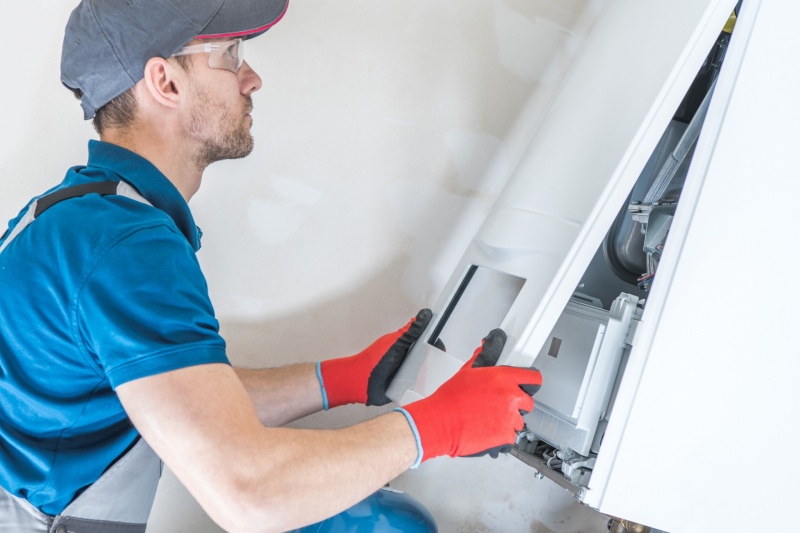
technician-working-on-furnace

Do you need a heating system replacement in Waterloo, IA? We’re going to guess, since you decided to read this blog post, you already know that it requires a professional to do the job. But perhaps you’re skeptical, can’t you just do the job on your own? After all, there are so many “do it yourself” videos out there nowadays…

Sure, DIY projects are great. They’re great for things like repainting furniture, maybe building a planter box, or installing a new DVR, but they simply are not the solution for HVAC installation. There are a number of things that can go wrong, and these factors affect not only your comfort, but your safety too. The following factors, such as the complexity of the system, home size, and the condition of your current unit, all influence the difficulty and safety of a boiler replacement.

Still not convinced? Read on!

Introduction to Heater Replacement

Heater replacement is a vital part of keeping your home comfortable and energy efficient, especially as older systems become less reliable and more costly to operate. Upgrading to a new boiler or heating system can make a significant difference in your monthly energy bills and overall comfort. With energy prices on the rise and a growing focus on sustainability, homeowners are increasingly looking at replacing outdated, inefficient boilers with high efficiency models. Homeowners can potentially qualify for rebates and tax credits when installing high-efficiency boilers. A professional boiler installation ensures that your new system is properly matched to your heating needs and hot water needs, taking into account factors like boiler size, fuel source, type, and efficiency rating. By understanding the various elements that affect boiler replacement costs, you can make an informed decision that balances upfront investment with long-term savings and comfort.

Choosing the Right Heater

Selecting the best heater for your home involves more than just picking a model off the shelf. Your heating needs, available fuel source, and budget all play a role in determining the right fit. Natural gas boilers are a popular choice for their high efficiency and lower operating costs, making them ideal for homes with access to natural gas. Oil boilers are often considered in areas where natural gas isn’t available, offering reliable heat but sometimes at a higher cost. Heat pumps provide an energy-efficient and environmentally friendly alternative, especially in milder climates. To ensure your new system delivers the right heating capacity, it’s important to consider the British Thermal Units (BTUs) required for your space, the boiler size best suited to your home, as well as whether you need an indirect water heater for hot water supply. Consulting with an HVAC professional can help you navigate these options, ensuring your new boiler or heating system is perfectly tailored to your home’s unique requirements. A licensed contractor can also walk you through both the boiler installation process and a breakdown of the expected boiler replacement cost for your project, while highlighting the advantages of replacing older units before they fail.

Energy Efficiency Considerations

When replacing your heater, energy efficiency should be at the top of your priority list. High efficiency boilers, such as condensing boilers, are designed to extract more heat from the same amount of fuel, resulting in lower energy consumption and reduced utility bills. High-efficiency boilers can achieve an AFUE rating between 95% to 98%, making them a smart choice for homeowners looking to save on energy costs. The Annual Fuel Utilization Efficiency (AFUE) rating is a key metric to look for, higher AFUE ratings mean greater efficiency and more savings over time. Installing zoning systems can further boost energy efficiency by allowing you to control heating zones independently, so you only heat the areas you need. Regular maintenance, including cleaning and inspecting the heat exchanger, is essential to keep your system running at peak performance. While efficiency is key, you’ll also want to factor in long-term boiler installation costs, since higher efficiency units may cost more upfront but save more in the long run. By focusing on high efficiency options and proper maintenance, and timely boiler replacement homeowners can enjoy reliable heat, lower costs, and a smaller environmental footprint.

Continue Reading

Improve Your Heating Efficiency with This One Tip

Monday, December 9th, 2019

heating-vent-low-on-wallWhat’s that tip, you ask? Use your ceiling fans!

You may be wondering about this tip—aren’t ceiling fans just good in the summertime? And even if you used your ceiling fan, isn’t that just eating up more electricity? How can you be boosting energy efficiency, then?

Hear us out! Below we’ve outlined just how ceiling fans work, and why they make a great addition to your home in the summertime in addition to the wintertime. Read on, and don’t forget to contact our team when you need expert heating services in Waterloo, IA.

Continue Reading